
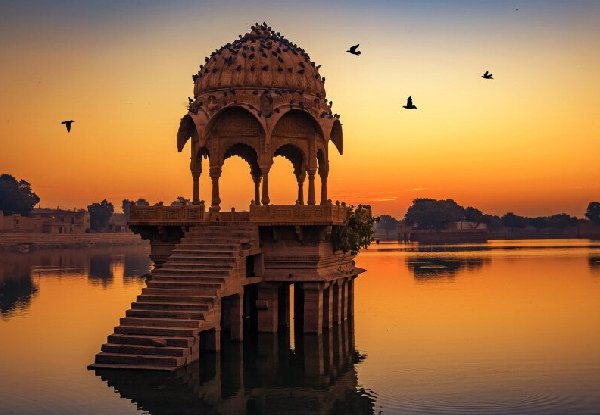
Rajasthan is famous for Jaipur’s royal palaces, Jaisalmer’s golden dunes, and Udaipur’s romantic lakes. But beyond these popular destinations lies another side of the state—quiet heritage towns, centuries-old stepwells, traditional craft villages, and historic settlements where everyday life continues alongside remarkable architecture.
For travellers who want more than a checklist of famous monuments, exploring rural Rajasthan offers a deeper understanding of India’s history, traditions, and regional culture.
With thoughtful planning, you can combine iconic landmarks with lesser-known destinations to create a more personal and rewarding Rajasthan holiday.
Why Explore Beyond Rajasthan’s Popular Tourist Cities?
Popular destinations provide an excellent introduction to Rajasthan, but smaller towns often offer a different travel experience. They allow visitors to explore local architecture, traditional markets, regional cuisine, and historic sites at a more relaxed pace.
A journey beyond the usual tourist circuit can include:
- Exploring historic stepwells and their intricate stone carvings
- Visiting traditional villages known for regional crafts
- Discovering painted havelis and old merchant residences
- Experiencing local food and everyday life in smaller towns
- Staying in heritage properties that reflect Rajasthan’s architectural history
The appeal is not simply finding places with fewer visitors. It is discovering how Rajasthan’s architecture, trade, water management, and cultural traditions developed across different regions.
1. Abhaneri: Discover the Remarkable Chand Baori Stepwell
Located in eastern Rajasthan, Abhaneri is home to Chand Baori, one of India’s most striking historic stepwells.
Its geometric arrangement of steps creates a dramatic pattern that descends towards the water reservoir. Built to provide access to water, stepwells also demonstrate how traditional communities adapted architecture to local environmental conditions.
A visit to Abhaneri can be an interesting addition to a journey between Jaipur and Agra, depending on your route and schedule.
What makes it special?
- Remarkable geometric stone architecture
- An opportunity to learn about traditional water conservation
- Excellent photography opportunities
- A different perspective on Rajasthan’s architectural heritage
Allow enough time to explore the site rather than treating it as a brief roadside stop.
2. Bundi: Discover Painted Havelis and Historic Streets
Bundi is a historic town known for its palace complex, distinctive architecture, stepwells, and traditional streets.
Compared with Rajasthan’s busiest tourist centres, Bundi can offer a more intimate experience of historic town life. Its old buildings and painted interiors reflect artistic traditions that developed under regional rulers and patrons.
Visitors can explore Bundi Palace, admire the town’s stepwells, and walk through local neighbourhoods to appreciate architectural details that are easy to miss during a rushed itinerary.
Best experiences in Bundi
- Exploring the palace complex and its historic artwork
- Visiting traditional stepwells
- Photographing old streets and architectural details
- Sampling regional Rajasthani food
- Taking time to explore local markets
Bundi is particularly appealing to travellers interested in history, photography, and heritage architecture.
3. Nawalgarh: Explore the Painted Havelis of Shekhawati
The Shekhawati region, in northeastern Rajasthan, is renowned for its historic havelis decorated with elaborate frescoes.
Nawalgarh is a particularly interesting stop for travellers who appreciate traditional architecture and decorative art. Many of the region’s historic merchant residences feature painted scenes, ornamental facades, and courtyards that reflect the prosperity of earlier trading communities.
Walking through the old town can reveal details that are difficult to appreciate from a vehicle, including painted doorways, balconies, and intricate architectural features.
Why include Nawalgarh in your itinerary?
It offers an opportunity to explore Rajasthan’s artistic heritage beyond its famous forts and palaces. Travellers can also learn about the region’s historic merchant networks and the role of trade in shaping local towns.
Some heritage buildings may have restricted access or require local arrangements, so confirm opening conditions before visiting.
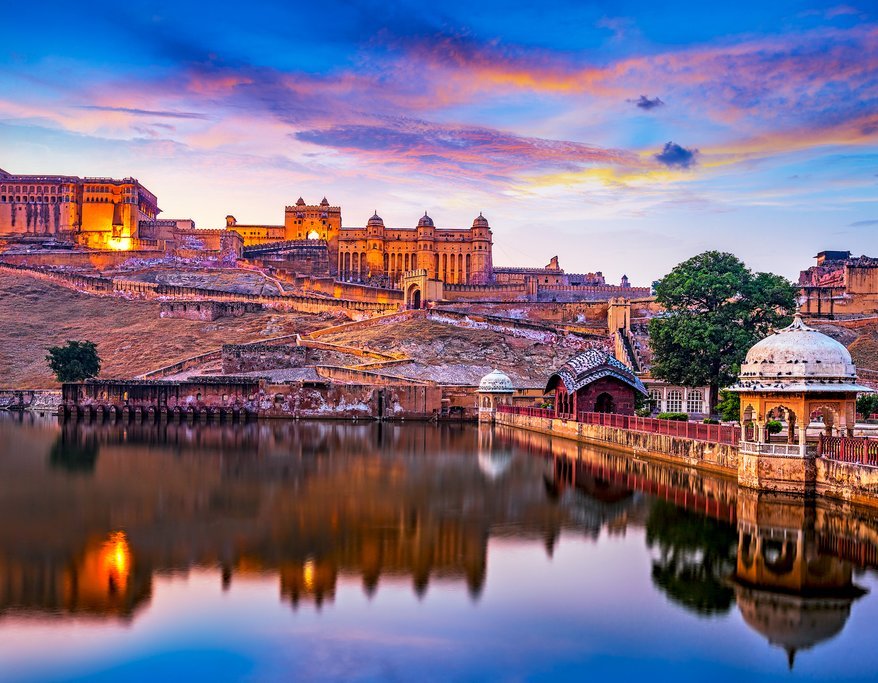
4. Deogarh: Experience the Charm of Rural Rajasthan
Deogarh provides a different perspective on Rajasthan, combining historic architecture with countryside scenery and village life.
Depending on the season and local arrangements, visitors can explore nearby settlements, enjoy scenic drives, and discover the region’s rural landscapes.
For travellers seeking a slower pace, Deogarh can provide a welcome break between Rajasthan’s larger cities. It also offers opportunities to experience heritage accommodation where available.
Experiences to consider
- Exploring the surrounding countryside
- Learning about local customs and daily life
- Photographing traditional architecture
- Visiting nearby historic sites
- Enjoying a relaxed stay away from busy city centres
Respect local privacy when photographing residents, and arrange village visits through appropriate local guides where necessary.
5. Ranakpur: Discover Intricate Jain Temple Architecture
Ranakpur is known for its remarkable Jain temple complex, celebrated for its detailed marble carvings and elaborate architectural design.
The temple’s pillars, ceilings, and sculptural details reward visitors who take time to observe them carefully. The experience is quite different from exploring a large fort or palace because the focus is on craftsmanship, religious architecture, and intricate stonework.
Ranakpur can be combined with other destinations in southern Rajasthan, including Udaipur, Kumbhalgarh, and Jodhpur, depending on the overall route.
Travel tip: Check current visiting hours, photography rules, and religious-site guidelines before arriving.
How to Plan a Rural Rajasthan Heritage Tour
A successful heritage journey requires more than selecting destinations on a map. Travel times, accommodation availability, seasonal weather, and the opening hours of individual sites all affect the itinerary.
Choose a Practical Route
Instead of covering the entire state in a few days, group destinations by region.
For example, a route around Jaipur and Agra may include Abhaneri and other suitable heritage stops. A separate journey through southern Rajasthan could combine Udaipur, Ranakpur, Kumbhalgarh, and Deogarh.
Nawalgarh and Bundi may require different route planning, so avoid adding every destination to one short holiday.
Allow Time for Exploration
Small towns are best experienced without rushing. Schedule time for walking through old streets, visiting heritage sites, speaking with local guides, and enjoying regional food.
A slower itinerary can often be more rewarding than trying to visit numerous attractions in a single day.
Select Accommodation Carefully
Rajasthan offers a variety of accommodation options, from standard hotels to heritage properties. Choose accommodation based on your route, comfort preferences, accessibility needs, and budget.
If you plan to stay in a historic property, confirm the facilities and services available before booking.
Consider the Season
Rajasthan can experience very hot weather, particularly during the summer months. The cooler months are generally more comfortable for extended sightseeing, although conditions vary across the state.
Carry water, sun protection, comfortable walking shoes, and suitable clothing for visiting religious and heritage sites.
What Makes a Tailor-Made Rajasthan Holiday Different?
A tailor-made itinerary allows travellers to select destinations according to their interests rather than following a fixed sightseeing schedule.
History enthusiasts may prefer additional time at forts, palaces, and stepwells. Photography lovers might prioritise heritage streets and architectural details, while families may prefer a more relaxed pace with shorter travel days.
When planning a customised holiday, consider your preferred travel dates, accommodation style, available time, and the experiences that matter most to you.
A well-planned route should balance sightseeing with enough time to appreciate each destination.
Plan Your Rajasthan Heritage Journey with Vacation Venture India
Rajasthan offers much more than its most recognisable tourist attractions. From the geometric beauty of Chand Baori to Bundi’s historic streets, Shekhawati’s painted havelis, and Ranakpur’s intricate temple architecture, the state rewards travellers who take time to explore its diverse heritage.
If you are planning a Rajasthan holiday, consider combining well-known destinations with smaller historic towns to create a journey that reflects your interests.
Contact Vacation Venture India to discuss your travel preferences, desired destinations, itinerary, and accommodation requirements.
Discover Rajasthan beyond the usual tourist route and make your next holiday a more meaningful travel experience.
Frequently Asked Questions
1. How many days are needed for a Rajasthan heritage tour?
The ideal duration depends on the destinations you select. A short regional trip can cover a few nearby sites, while a broader itinerary requires additional time for travel and exploration.
2. Is Abhaneri worth visiting on a Jaipur-to-Agra journey?
Abhaneri can be a worthwhile stop for travellers interested in historic architecture and traditional water systems. Check your route and available time before including it.
3. What is special about Bundi?
Bundi is known for its palace complex, historic stepwells, painted architecture, and traditional streets.
4. Is rural Rajasthan suitable for family travel?
Yes, many heritage towns can be included in family itineraries. Choose suitable accommodation, plan manageable travel days, and consider the needs of children and older travellers.
5. Can a Rajasthan heritage itinerary be customised?
Yes. The route can be adapted to your available time, interests, budget, preferred accommodation, and chosen destinations, subject to availability and practical travel requirements.